
Exploring the Future of 3D Printing Technology
3D printing technology has come a long way since its inception in the 1980s. Initially used for prototyping, it has evolved into a versatile tool that impacts various industries, from healthcare to aerospace. As we look to the future, the potential applications and advancements in 3D printing are both exciting and transformative. This blog post will explore the current state of 3D printing, its future prospects, and the challenges that lie ahead.
The Current Landscape of 3D Printing
What is 3D Printing?
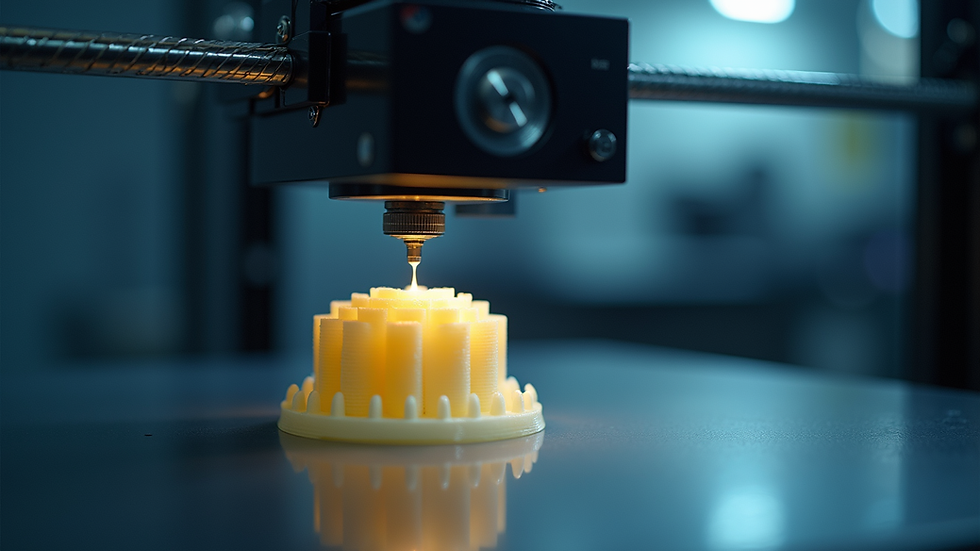
3D printing, also known as additive manufacturing, is a process that creates three-dimensional objects from a digital file. This technology builds objects layer by layer, using materials such as plastic, metal, or even biological substances. The process is distinct from traditional manufacturing methods, which often involve subtracting material from a solid block.
Key Industries Utilizing 3D Printing
Healthcare
In the medical field, 3D printing is revolutionizing the way prosthetics, implants, and even organs are created. Custom prosthetics can be tailored to fit individual patients, improving comfort and functionality. Additionally, bioprinting is making strides toward creating tissues and organs for transplantation.
Aerospace
The aerospace industry is leveraging 3D printing to produce lightweight components that reduce fuel consumption and improve efficiency. Companies like Boeing and Airbus are using additive manufacturing to create complex parts that would be difficult or impossible to produce using traditional methods.
Automotive
The automotive sector is also embracing 3D printing for rapid prototyping and production of parts. This technology allows manufacturers to quickly iterate designs and produce components on demand, reducing inventory costs and lead times.
Consumer Products
From custom jewelry to home decor, 3D printing is enabling consumers to create personalized products. This shift toward customization is changing the way we think about consumer goods, allowing for unique designs that cater to individual tastes.
Advancements in 3D Printing Technology
Recent advancements in 3D printing technology have made it more accessible and efficient. Some notable developments include:
Improved Materials
The range of materials available for 3D printing has expanded significantly. New composites and bio-materials are being developed, allowing for stronger and more versatile products.
Faster Printing Speeds
Innovations in printing technology have led to faster production times. Techniques such as Continuous Liquid Interface Production (CLIP) enable the rapid creation of high-quality parts.
Increased Precision
Advances in laser and nozzle technology have improved the precision of 3D printing, allowing for intricate designs and tighter tolerances.
The Future of 3D Printing
Emerging Trends
As we look to the future, several trends are shaping the landscape of 3D printing:
Mass Customization
The ability to produce customized products at scale is becoming increasingly feasible. Companies are exploring ways to integrate 3D printing into their supply chains, allowing for on-demand production that meets individual customer needs.
Sustainability
With growing concerns about environmental impact, 3D printing offers a more sustainable manufacturing option. By reducing waste and enabling the use of recycled materials, this technology can help industries lower their carbon footprint.
Integration with AI and IoT
The integration of artificial intelligence and the Internet of Things (IoT) with 3D printing is set to enhance efficiency and automation. Smart printers can monitor their performance and make adjustments in real-time, leading to improved quality and reduced downtime.
Expansion into New Materials
Research is ongoing into new materials that can be used in 3D printing. This includes metals, ceramics, and even food. The ability to print with diverse materials will open up new possibilities for product design and functionality.
Challenges Ahead
Despite the promising future of 3D printing, several challenges must be addressed:
Regulatory Hurdles
As 3D printing becomes more prevalent in industries like healthcare, regulatory bodies will need to establish guidelines to ensure safety and efficacy. This process can be slow and may hinder innovation.
Intellectual Property Issues
The ease of replicating designs raises concerns about intellectual property rights. As 3D printing becomes more widespread, companies will need to navigate these legal complexities.
Quality Control
Ensuring consistent quality in 3D printed products can be challenging. Developing standardized testing methods and quality assurance processes will be crucial for widespread adoption.
Real-World Applications of 3D Printing
Case Study: Prosthetics
One of the most impactful applications of 3D printing is in the creation of prosthetics. Traditional prosthetic limbs can be expensive and time-consuming to produce. However, companies like e-NABLE are using 3D printing to create affordable, custom prosthetic hands for children. These prosthetics can be designed to fit the unique anatomy of each child, providing better functionality and comfort.
Case Study: Aerospace Components
Boeing has been at the forefront of using 3D printing in aerospace. The company has successfully printed parts for its 787 Dreamliner, reducing weight and improving fuel efficiency. By utilizing 3D printing, Boeing can produce complex geometries that traditional manufacturing methods cannot achieve, leading to significant cost savings and performance improvements.
Case Study: Architectural Models
Architects are increasingly using 3D printing to create detailed models of their designs. This allows for better visualization and communication with clients. For example, firms like Zaha Hadid Architects have used 3D printing to produce intricate models that showcase their innovative designs, helping clients understand the final product before construction begins.
Conclusion
The future of 3D printing technology is bright, with endless possibilities across various industries. As advancements continue to unfold, we can expect to see more innovative applications that will change the way we design, manufacture, and consume products. By addressing the challenges ahead, industries can harness the full potential of 3D printing, leading to a more efficient and sustainable future.
As we move forward, staying informed about these developments will be crucial for anyone interested in the evolving landscape of technology. Whether you are a professional in the field or simply curious about the future, embracing the changes brought by 3D printing will be essential in navigating the next wave of innovation.


Comments